
Must-See for Farm Anti-Seepage! Choose the Right Geomembrane Specification for Biogas Digesters & Oxidation Ponds, Save Time & Money
2/1/20261 min read
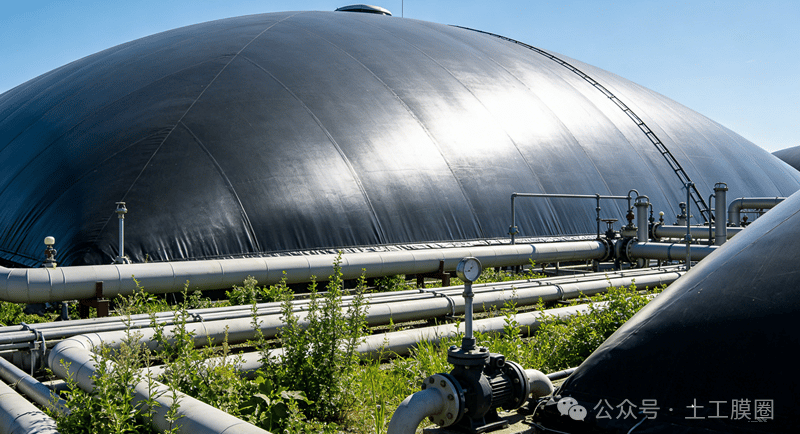
For anti-seepage of farm biogas digesters and oxidation ponds, choosing the right geomembrane specification is crucial! Too thin, it’s easy to break and leak; too thick, it’s a waste of cost. This simplified selection guide is easy for beginners to follow👇
✨ Core Selection Recommendations (Copy Directly)
✅ Bottom Membrane (in contact with biogas slurry + soil): 1.0-1.5mm HDPE geomembrane. The rough surface design is more non-slip, corrosion-resistant and puncture-resistant, suitable for the needs of most farms.
✅ Top Membrane (coverage and sealing): 1.5-2.0mm HDPE geomembrane. Prioritize urban construction standard blow-molded models, which are sun-resistant and wind-resistant, with a service life of more than 10 years.
💡 Key Reminders
For long-term use (≥10 years), choose a thickness of more than 1.2mm, and add double resistance (anti-oxidation + anti-ultraviolet) for better durability.
For soft soil foundations or sharp stones, directly increase the thickness to more than 1.5mm to avoid the membrane being punctured.
Choosing the right HDPE geomembrane ensures one-time anti-seepage for biogas digesters and oxidation ponds, reduces leakage risks, lowers operation and maintenance costs, and helps farms operate in a green and compliant way💪
Contact
Reach out for inquiries or support
Phone
Will@longxingeosyn.com
+86 18663453889【WhatsApp】
© 2026. Copyright belongs to Shandong Longxin Geosynthetics Co., Ltd.
No. 8, Canglongquan Street, Laiwu District,Jinan City, Shandong Province, China
+86 18663461858【WhatsApp】
+86 18663463618【WhatsApp】
Longxin@longxingeosyn.com
yara@longxingeosyn.com
ADD