
Aquaculture Geomembrane: Efficient Anti-Seepage, the "Invisible Guardian" Protecting Aquaculture (In-Depth Application Case Analysis)
5/23/20253 min read
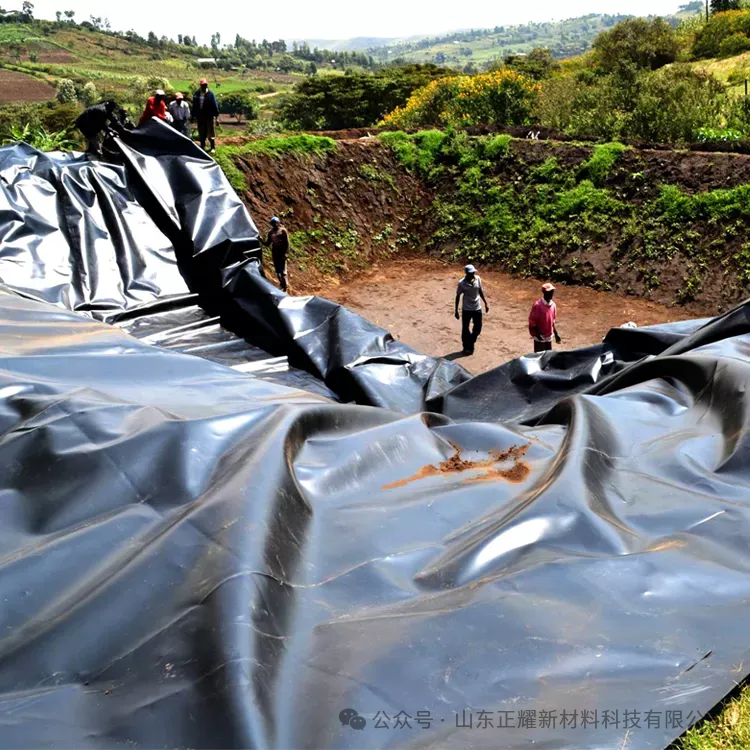
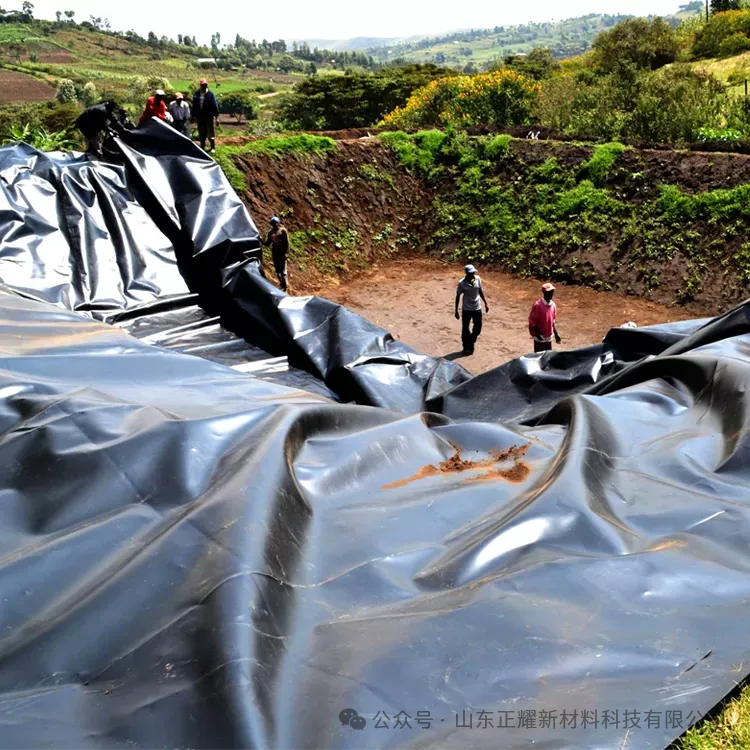
In the critical period of aquaculture transformation and upgrading, geomembrane has become a "standard configuration" for large-scale aquaculture farms due to its excellent anti-seepage performance, durability and environmental protection advantages. Through in-depth analysis of real cases, this article reveals how it solves aquaculture pain points and helps the industry achieve sustainable development.
Case 1: Large-Scale Pig Farm Manure Storage Tank — A Zero-Leakage Environmental Barrier
Pain Points
Traditional soil tanks have serious leakage. Nitrogen, phosphorus and organic matter in manure seep into the ground, polluting soil and groundwater; the mixing of rainwater and sewage increases the sewage treatment load, and the odor and breeding of mosquitoes and flies affect the environment.
Solution
Lay 1.5mm thick HDPE geomembrane on the tank bottom and slopes to form a complete closed system.
Construction Key Points
Base Treatment: Remove sharp stones and tree roots, ensure the compaction degree is above 90%, and the slope inclines to the drain outlet.
Laying and Welding: Use hot-melt welding for seams, and conduct air pressure testing to ensure airtightness; trim the corners into arcs to avoid stress concentration.
Protection Layer: Cover with 300mm thick clay layer to prevent mechanical damage and ultraviolet aging.
Effects
Anti-seepage rate reaches more than 99%, the annual manure storage capacity meets the standard, and the surrounding soil and groundwater testing are qualified.
Rainwater and sewage diversion efficiency is increased by 50%, and sewage treatment cost is reduced by 30%.
Odor is reduced, the breeding rate of mosquitoes and flies is decreased by 80%, and the incidence rate of pigs is reduced by 12%.
Case 2: High-Level Tank of Aquaculture Farm — A "Clean Water Tank" for Water Saving and Efficiency Improvement
Pain Points
Traditional soil tanks have high leakage rate, requiring water replenishment 2-3 times a week, resulting in high water cost; the contact between pool water and soil leads to more impurities, poor water quality and high incidence rate of fish and shrimp.
Solution
Select 0.8-1.0mm thick LDPE geomembrane to lay on the tank bottom and walls to form an anti-seepage layer.
Construction Key Points
Base Treatment: Level the tank bottom and lay a 10cm thick fine sand buffer layer.
Laying and Fixing: The membrane surface is smooth, so impurities are not easy to attach; the edges are buried in the anchoring trench and backfilled and compacted.
Daily Maintenance: Only need to replenish water once a month, and directly rinse the membrane surface when cleaning the tank bottom.
Effects
Water cost is saved by 6,000 yuan per month, and the water replenishment frequency is reduced by 80%.
The transparency of pool water is increased to more than 1.2 meters, and the incidence rate of fish and shrimp is reduced from 15% to 3%.
The breeding cycle of each crop is shortened by 10 days, and the annual output is increased by 20%.
Case 3: Biogas Digester of Pig Farm — An "Energy Library" for Resource Utilization
Pain Points
Biogas leakage not only causes energy waste but also poses potential safety hazards; traditional concrete structures are prone to cracking, with high maintenance costs.
Solution
Use 1.2mm thick HDPE geomembrane to seal the biogas digester, and cooperate with the covering system to collect biogas.
Construction Key Points
Tank Design: Adapts to different shapes with good flexibility; double-weld hot-melt welding is used for seams, and no leakage points are found in air pressure testing.
Anchoring and Protection: The edges of the membrane are buried in the anchoring trench, covered with a non-woven geotextile buffer layer, and then covered with soil or concrete slabs.
Effects
Biogas recovery rate is increased by 40%, annual power generation is increased by 150,000 kWh, and energy cost is saved by 120,000 yuan.
The service life of the tank is extended to more than 15 years, and the maintenance cost is reduced by 60%.
Biogas leakage hazards are eliminated, and the safety risk is zero.
Case 4: Sedimentation Tank of Livestock Farm — The "Core Engine" of Wastewater Pretreatment
Pain Points
Wastewater in the sedimentation tank contains suspended solids, microorganisms and chemical substances, which are easy to corrode the tank; traditional soil tanks have low sedimentation efficiency, and the actual hydraulic retention time of the tank is shorter than the designed value.
Solution
Lay 1.2mm thick HDPE geomembrane to build a controllable hydrodynamic boundary.
Construction Key Points
Base Surface Treatment: Lay a fine-grained soil or sand protection layer to buffer the load and cover sharp particles.
Laying and Welding: The membrane is naturally relaxed and fits the base surface to avoid internal stress; the welding strength of the seam reaches more than 80% of the base material.
Protection Layer: Cover with soil or sand layer to prevent ultraviolet aging and mechanical damage.
Effects
The removal rate of suspended solids in the sedimentation tank is increased by 30%, and the hydraulic retention time meets the designed value.
The service life of the tank is extended to more than 10 years, and the maintenance frequency is reduced by 70%.
Avoid wastewater leakage to pollute soil and groundwater, and meet the environmental protection acceptance standards.
Contact
Reach out for inquiries or support
Phone
Will@longxingeosyn.com
+86 18663453889【WhatsApp】
© 2025. All rights reserved.
ADD No. 8, Canglongquan Street, Laicheng District, Laiwu City, Shandong Province, China
+86 18663461858【WhatsApp】
+86 18663463618【WhatsApp】
longxin@longxingeosyn.com
info@longxingeosyn.com